
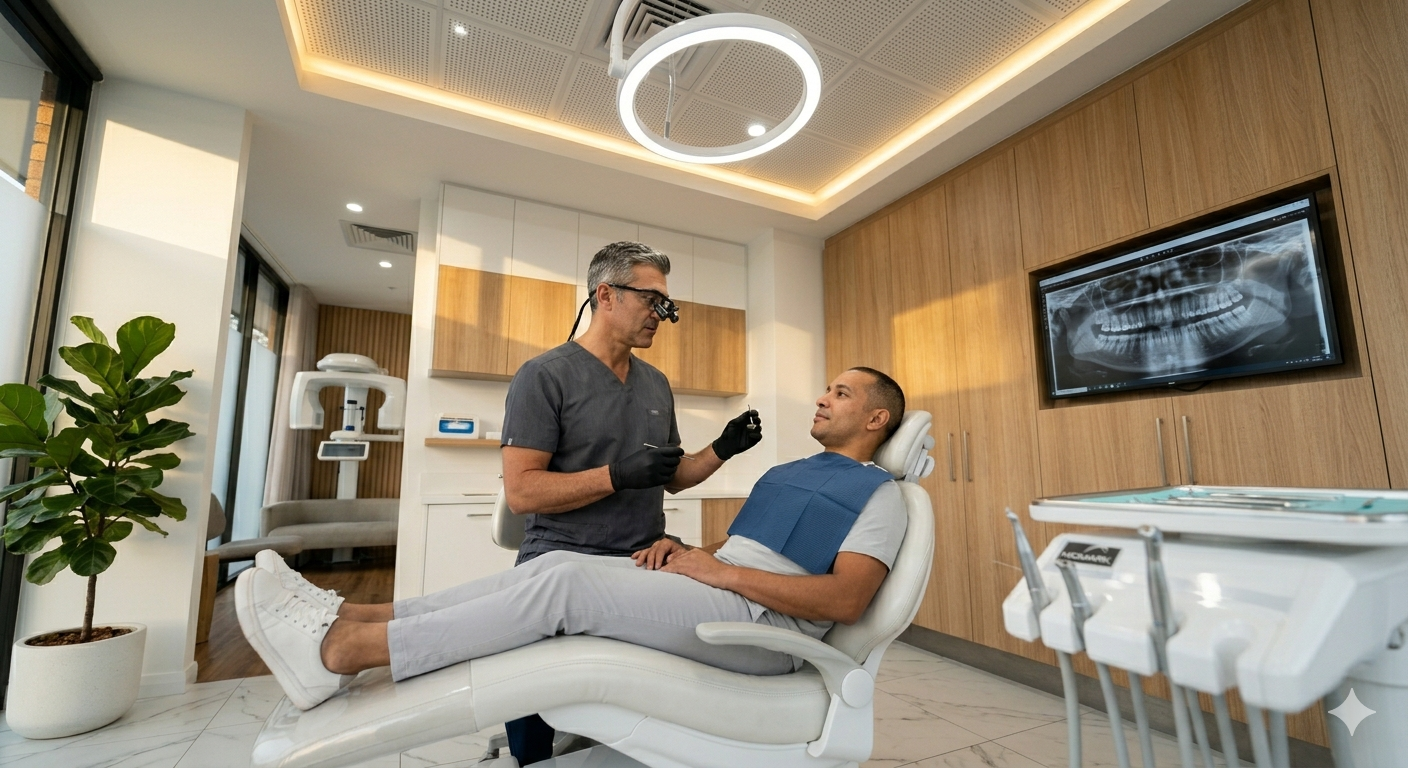
When dental pain hits suddenly or an injury damages teeth, it can be overwhelming to know where to turn. An emergency oral surgeon in Brooklyn, NY, specializes in providing quick, expert care to relieve pain and address urgent dental issues. They are equipped to handle a range of emergencies, from broken teeth to infections, with compassion and precision.
Many people don’t realize the importance of seeking prompt treatment. Delaying care can lead to increased pain and complications. Emergency oral surgeons use modern techniques designed to protect patient comfort while effectively treating the problem.
Knowing where to find trusted emergency dental care gives peace of mind. It’s helpful to understand when to call, what to expect, and how these specialists work to restore oral health fast and safely.
Knowing how to spot a true dental emergency can save time, ease pain, and prevent further damage. Key signs often include sudden pain, swelling, or visible damage. Understanding when to act quickly is crucial for the best outcome.
Dental emergencies often involve intense pain that doesn’t go away with over-the-counter medication. Swelling around the tooth or face, prolonged bleeding after an injury, or a sudden change in the position of a tooth are important warning signs.
Other symptoms include loose teeth, severe sensitivity to hot or cold, and pus around a tooth indicating infection. Numbness or a bad taste in the mouth can also signal something serious. If any of these occur, it’s best to arrange prompt care.
If the patient experiences uncontrollable bleeding, swelling that makes breathing or swallowing difficult, or severe trauma to the jaws or face, call emergency services right away. Quick action can prevent complications.
Situations like knocked-out teeth, broken teeth exposing nerves, or intense pain and infection require urgent attention from an oral surgeon. Delaying care in these cases increases the risk of permanent damage or infection spreading.
In cases of trauma, keeping calm is essential. For a knocked-out tooth, gently rinse it under water without scrubbing, place it back in the socket if possible, or keep it in milk or saline solution and visit an emergency dentist promptly.
If a tooth is chipped or broken, save any fragments and rinse the mouth with warm water. Apply a cold compress to reduce swelling and seek treatment quickly to avoid infection and restore function. Proper first aid can improve outcomes before professional care is available.
An oral surgeon specializes in diagnosing and treating complex issues involving the mouth, teeth, jaws, and face. Their work goes beyond routine dental care, focusing on surgical procedures that require advanced training.
Oral surgeons handle a wide array of treatments, starting with wisdom teeth removal. They carefully extract impacted or problematic wisdom teeth to prevent pain and infection.
Other common procedures include correcting jaw alignment issues through orthognathic surgery. This improves bite function and facial symmetry. They also treat facial trauma, such as fractured jaws or broken teeth, often after accidents.
Dental implant placement is another key area. Oral surgeons surgically insert titanium implants into the jawbone to replace missing teeth, restoring both function and appearance. They also perform biopsies to detect abnormalities and remove cysts or tumors in the mouth.
While general dentists manage routine dental care, oral surgeons have specialized surgical training. Dentists focus on cleanings, fillings, and simple extractions, whereas oral surgeons handle complex extractions and reconstructive procedures.
Oral surgeons complete additional years of hospital-based surgical residency. This prepares them to perform invasive procedures safely under sedation or anesthesia. Their expertise extends to managing complications and providing emergency surgical care.
In emergencies like severe tooth infections, trauma, or uncontrolled bleeding, an oral surgeon can provide immediate and effective treatment that a general dentist may not be equipped to offer.
Emergency oral surgeons in Brooklyn handle a variety of serious dental problems that require immediate attention. Their expertise covers severe pain, injuries, and infections that cannot wait for a routine appointment. Quick action is vital to prevent complications and relieve distress.
When a tooth is causing intense pain that cannot be managed by medication, an emergency oral surgeon often recommends extraction. This usually happens if the tooth is severely damaged, cracked, or infected beyond repair. Removing the tooth stops the source of pain quickly.
These procedures are done under local anesthesia to keep patients comfortable. After extraction, the surgeon provides clear instructions on care to minimize swelling and prevent infection. This step is crucial to speed up healing and avoid further problems.
Oral surgeons frequently treat facial injuries caused by accidents, sports, or falls. Common injuries include broken or displaced jaws, fractured cheekbones, and damaged teeth. Timely treatment helps restore normal function and appearance.
They use advanced imaging and surgical techniques to repair bones and soft tissues. This often involves stabilizing fractures and realigning jaws. Managing these injuries promptly also reduces the risk of long-term complications like misaligned bites or chronic pain.
Infections and abscesses in the mouth can spread quickly and cause dangerous swelling or fever. Emergency oral surgeons drain abscesses and remove infected tissue when necessary. This prevents the infection from affecting other areas like the sinuses or bloodstream.
Antibiotics are prescribed alongside surgical treatment to fully clear the infection. Patients receive instructions on how to care for the affected area at home, including pain management and hygiene. Early intervention is essential to avoid more severe health issues.
Choosing the right emergency oral surgeon involves a few key factors. Credentials, quick availability, and clear insurance handling all play a role in ensuring quality care without added stress.
When seeking an emergency oral surgeon in Brooklyn, it’s important to check their qualifications carefully. Board certification and membership in professional associations like the American Association of Oral and Maxillofacial Surgeons (AAOMS) show a commitment to high standards.
Experience with emergency cases is vital. Look for surgeons who regularly handle trauma, infections, and sudden dental issues. Reading patient reviews or asking for referrals can provide insight into their skill and bedside manner.
Many experts also invest in ongoing education, keeping up with the latest surgical techniques and technologies. This makes a big difference, especially when urgent care requires precision and calm under pressure.
Emergencies demand prompt action. A reliable oral surgeon in Brooklyn typically offers extended hours or on-call service, ready to address urgent dental problems quickly.
Players in the community often post clear information about how to contact them after regular hours. Some even provide dedicated emergency phone lines or online booking for immediate consultation.
Patients should ask about average response times for same-day appointments. Knowing this beforehand helps reduce anxiety during a dental emergency. Fast communication is key to managing pain and preventing complications.
Navigating insurance during a dental emergency can be confusing. It’s best to find an oral surgeon who clearly explains which plans they accept and what portion of costs may be out-of-pocket.
Many Brooklyn oral surgeons work with major dental and medical insurance providers, but coverage for emergency procedures might differ from routine care. Confirming details before treatment avoids surprise bills.
Some surgeons offer payment plans or sliding fees based on income. This flexibility can ease financial pressure while ensuring timely care. Clear communication about fees and billing practices is an important part of patient comfort.
When visiting an emergency oral surgeon in Brooklyn, patients can expect a focused approach to quickly address pain, diagnose the problem, and provide immediate relief. The process is designed to minimize discomfort while ensuring proper care and advice for healing.
Upon arrival, the oral surgeon will first review the patient’s symptoms and medical history. A quick but thorough examination follows, often including X-rays or 3D imaging to pinpoint fractures, infections, or other dental issues.
This early step helps determine the severity and exact cause of the emergency. The dentist will look for visible signs like swelling, broken teeth, or signs of infection. Clear communication is encouraged, asking about pain levels and how the problem started.
The goal is to identify if urgent surgery or simpler treatments are needed, ensuring diagnosis drives timely action.
Managing pain is a top priority. Depending on the injury, the oral surgeon might use local anesthesia to numb the area immediately. For severe pain, sedation or short-term oral medications may be offered.
Non-prescription pain relievers like ibuprofen are common recommendations. Cold compresses are also advised to reduce swelling and numb pain physically.
The surgeon will tailor pain control to the patient’s comfort level and medical profile, balancing quick relief with safety. Clear instructions on medication use are provided to avoid complications.
After treatment, the surgeon gives detailed aftercare guidance to promote healing and prevent infection. This usually includes:
Recovery times vary but often involve limiting strenuous activity and adhering to prescribed medications. Some patients may get follow-up appointments to track progress or remove stitches.
Clear, easy-to-follow directions help reduce anxiety and ensure the patient feels supported through their recovery journey.
Emergency oral surgeons in Brooklyn use state-of-the-art tools and methods that make care precise and less stressful. From detailed imaging to gentle sedation, they focus on reducing discomfort and improving treatment outcomes.
Modern oral surgeons rely on 3D cone beam computed tomography (CBCT) scans to get an accurate view of the patient’s teeth, jawbone, and surrounding structures. This detailed imaging allows for precise diagnosis and treatment planning, minimizing surprises during surgery.
In addition, computer-guided surgery tools help position instruments with pinpoint accuracy. These devices reduce surgery time and improve healing by avoiding unnecessary tissue damage. Laser technology is also used for soft tissue procedures, decreasing bleeding and swelling. All these advancements provide a smoother experience and faster recovery for patients.
Many patients visiting emergency oral surgeons feel anxious or scared. To ease this, surgeons offer several sedation options, including nitrous oxide (laughing gas), oral sedation pills, and intravenous (IV) sedation.
Nitrous oxide is popular because it acts quickly and wears off fast, helping patients stay calm but responsive. Oral sedation is useful for mild to moderate anxiety and keeps patients relaxed throughout the procedure. For more complex surgeries or severe anxiety, IV sedation offers deeper relaxation and pain control without putting the patient fully to sleep. Surgeons monitor vital signs carefully during sedation to ensure safety.
A key priority for emergency oral surgeons is making each patient feel safe and cared for. Before any procedure, they explain every step clearly and answer questions with patience.
Sterile environments and strict infection control practices protect patients throughout treatment. Surgeons use the latest materials that promote gentle handling of tissues and faster healing. They also offer personalized pain management plans, combining medications and comfort techniques.
This approach builds trust and helps patients feel supported in what can be a stressful situation.
Maintaining strong, healthy teeth requires more than just reacting to problems. Consistent daily care, wise scheduling of dental visits, and taking precautions during physical activities all help reduce the risk of sudden dental issues. These practical steps keep smiles safe and comfortable over time.
Proper oral hygiene is the foundation of avoiding dental emergencies. Brushing teeth twice daily with fluoride toothpaste removes plaque and prevents cavities. Flossing once a day clears debris from between teeth where a brush can’t reach, cutting down on gum disease risk.
Using an antimicrobial mouthwash can reduce bacteria and freshen breath. Avoiding excessive sugary foods and drinks helps prevent decay since sugar fuels harmful bacteria. If sensitivity or pain occurs during brushing, a soft-bristled brush and gentle strokes should be used to protect gums.
Regular replacement of toothbrushes every three months prevents buildup of germs, which can cause inflammation or infections. Encouraging patients to make these habits routine can drastically lower the chance of facing sudden toothaches or infections.
Regular dental exams play a key role in catching problems before they become emergencies. Most dentists recommend visits every six months for cleanings and assessments. People with existing conditions like gum disease or extensive restorations might need appointments more frequently.
During checkups, dentists look for signs of decay, cracks, or infections that patients might not notice. Early treatment prevents painful damage or tooth loss later on. X-rays can detect hidden problems deep inside the teeth or under the gums.
Scheduling appointments promptly when symptoms appear also matters. Delaying a toothache or swelling can turn a minor issue into a serious emergency that requires more invasive care. Staying proactive with scheduled care keeps oral health on track.
Physical activities carry a real risk of dental injury without proper protection. Wearing a custom-fitted mouthguard while playing sports like basketball, football, or hockey significantly reduces the chance of chipped or knocked-out teeth.
Mouthguards absorb and distribute impact forces, protecting both teeth and soft tissues. Over-the-counter guards can offer some help, but custom devices provide the best fit and comfort. Athletes should also avoid chewing hard objects like ice or pens, which can cause cracks or fractures.
For children involved in active play, parents should ensure helmets and facial gear fit securely. Educating about avoiding risky behaviors like using teeth as tools prevents preventable injuries. Taking these precautions can spare both pain and costly emergency visits.
If someone faces a dental emergency, the first priority is to stay calm. Gathering essential information ahead of time can help the oral surgeon provide quicker, more effective care.
They should call the emergency oral surgeon’s office as soon as possible. This allows staff to prepare for the visit, prioritize the situation, and offer initial advice over the phone.
Before leaving, it’s important to collect any recent dental records or X-rays if available. This information gives the surgeon a clearer picture of the patient’s dental history.
Managing pain and bleeding carefully is key. Applying a cold compress to the face helps reduce swelling, while gently rinsing the mouth with warm salt water can clean the affected area.
Patients should bring a list of current medications and note any allergies. This helps the surgeon plan safe treatment without delays.
If a tooth was knocked out, keeping it moist is crucial. Store it in milk or a tooth preservation kit if possible, but avoid cleaning or scrubbing the tooth.
Planning the trip to the office with transportation arranged is also beneficial. Someone may need to accompany the patient, especially if sedation or strong pain medication is expected.
Being prepared helps the emergency oral surgeon focus on effective treatment right away. It also reduces stress and supports smooth, timely care.
When a dental emergency happens, it’s normal to feel unsure about when to call an oral surgeon. However, prompt action can reduce pain and prevent more serious complications. It’s always better to reach out early rather than waiting and risking the problem getting worse.
Many people worry about the cost or discomfort of emergency treatment. Modern oral surgeons in Brooklyn focus on patient comfort and use advanced techniques to make the experience as smooth as possible. They understand emergencies can be stressful and aim to provide clear answers and gentle care.
If you notice swelling, severe pain, broken teeth, or any sudden dental issue, contacting an emergency oral surgeon should be your first step.
Key reasons to reach out immediately include:
Emergency oral surgeons are available to guide patients through what to expect and offer tailored care plans. They welcome questions and encourage people to seek help without hesitation.
Taking the step to call an emergency oral surgeon in Brooklyn means choosing calmly managed care during a stressful moment. It’s a way to protect your smile and health with support from experienced professionals who truly understand urgent dental needs.
Knowing what to do during a dental emergency can save time and reduce discomfort. Details about urgent care steps, appointment timing, insurance, and payment options help patients prepare and feel confident.
The patient should rinse their mouth gently with warm water and avoid any hot or cold foods. Applying a cold compress on the outside of the cheek can reduce swelling.
If pain or swelling worsens, they must seek emergency care immediately to prevent infection or complications.
Most emergency oral surgeons in Brooklyn offer same-day or next-day appointments for urgent cases. During the visit, the surgeon will assess pain, take necessary X-rays, and explain the extraction procedure clearly.
Local anesthesia is used to minimize discomfort, and post-extraction care instructions are provided to promote healing.
Yes, many emergency oral surgeons accept patients without referrals, especially in urgent situations. It is advisable to call ahead to confirm availability and prepare any recent dental records if possible.
Emergency rooms can manage severe pain, trauma, or bleeding but typically do not perform detailed dental procedures. If the problem requires tooth extraction, root canal, or surgery, they will refer the patient to an oral surgeon.
Some oral surgeons accept Medicaid and Healthfirst, but coverage varies by office. Patients should call beforehand to confirm.
For the appointment, bring a valid ID, insurance card, a list of current medications, and any previous dental records relevant to the issue.
Many clinics offer payment plans or sliding scale fees based on income. Some emergency oral surgeons also accept major credit cards or CareCredit for financing.
Calling ahead to discuss financial options can ease stress and ensure timely care.